Introduction
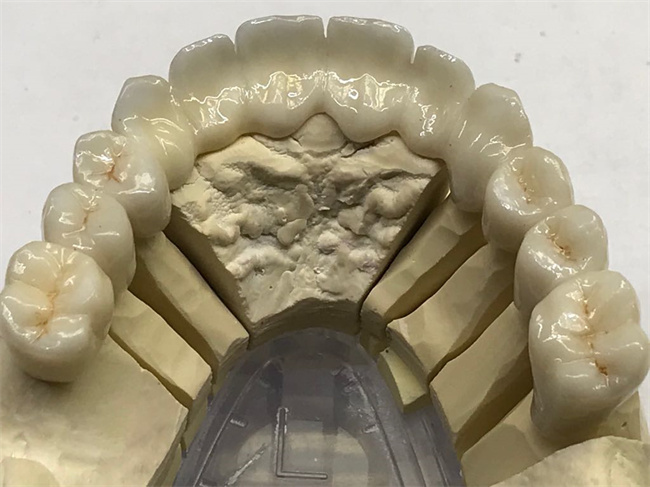
Ceramic zirconia blocks have become one of the most widely used materials in modern digital dentistry. With the rapid adoption of CAD/CAM systems in dental laboratories, zirconia ceramics are now a standard choice for producing crowns, bridges, and full-contour restorations.
Compared with traditional ceramic and metal-based materials, ceramic zirconia blocks offer a balanced combination of mechanical strength, aesthetic performance, and processing stability, making them suitable for both anterior and posterior restorations.
What Is a Ceramic Zirconia Block?
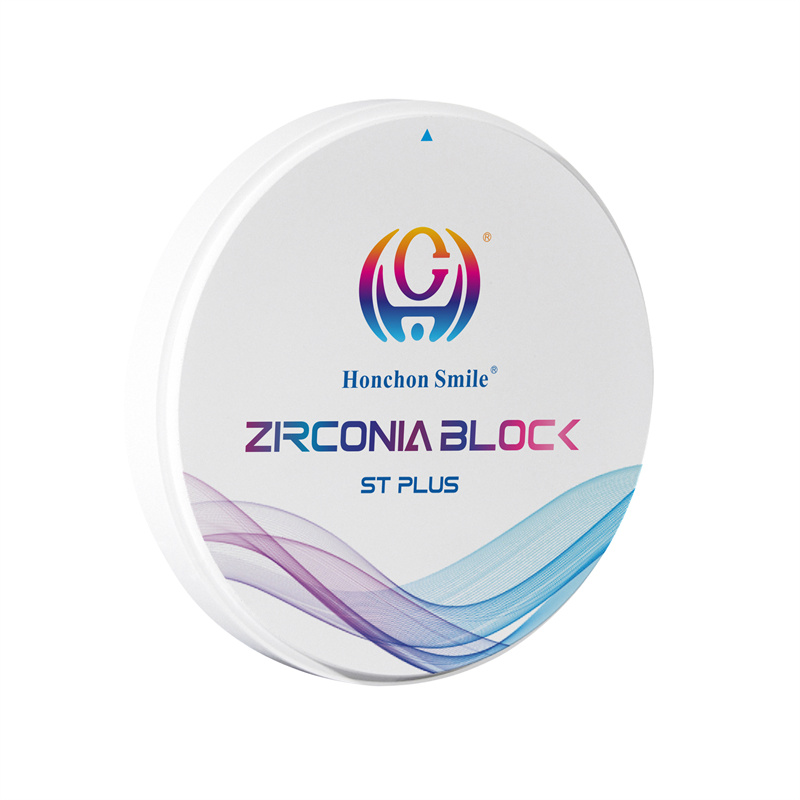
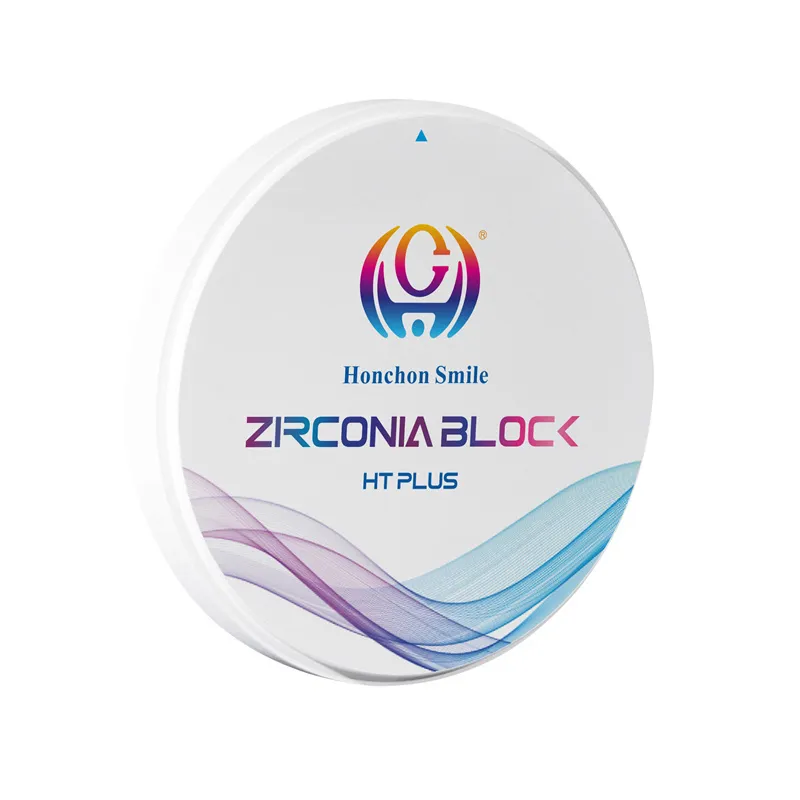
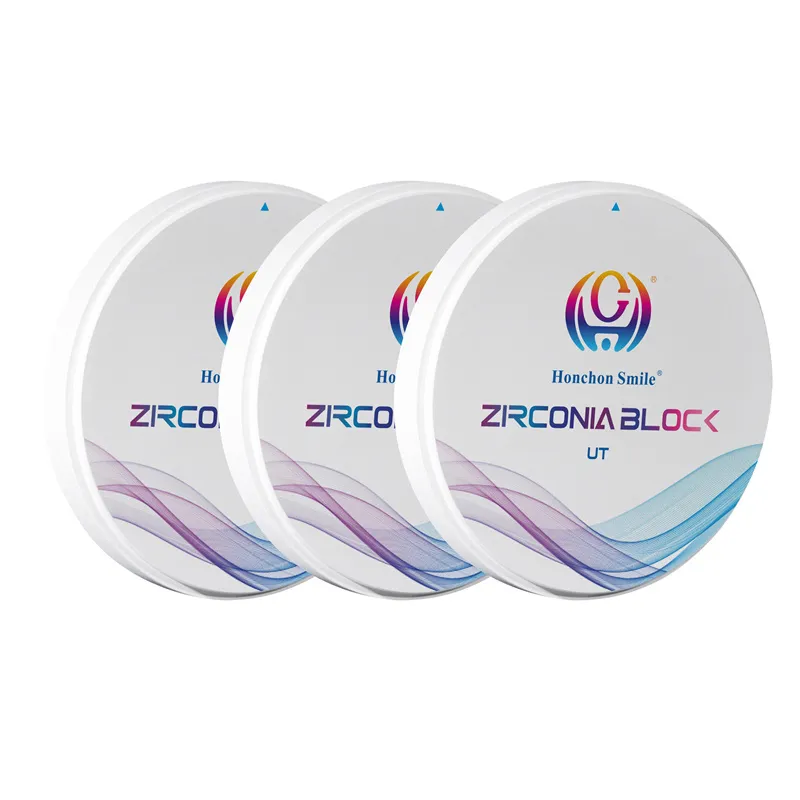
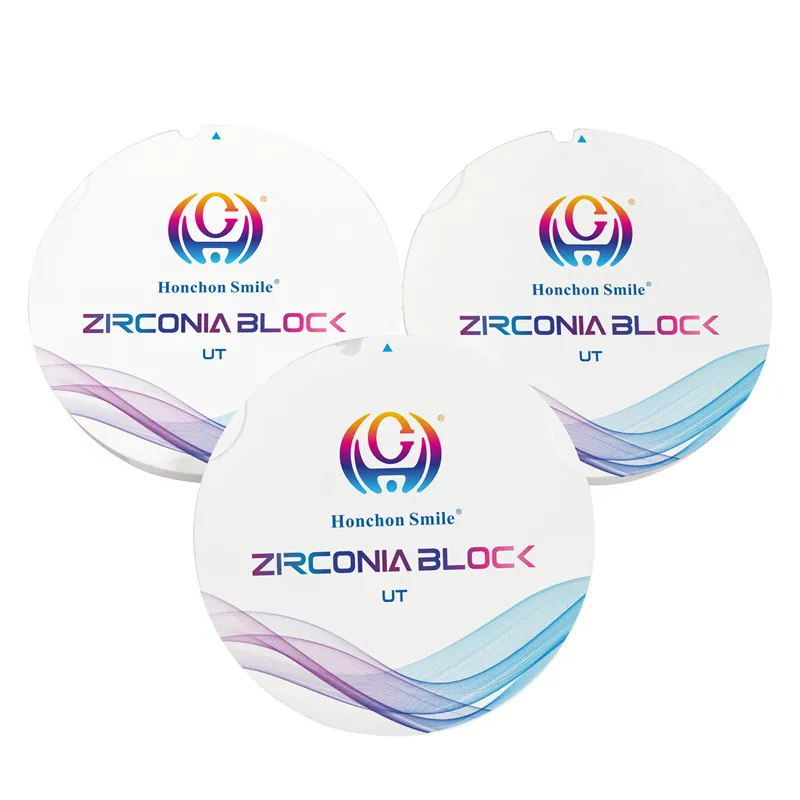
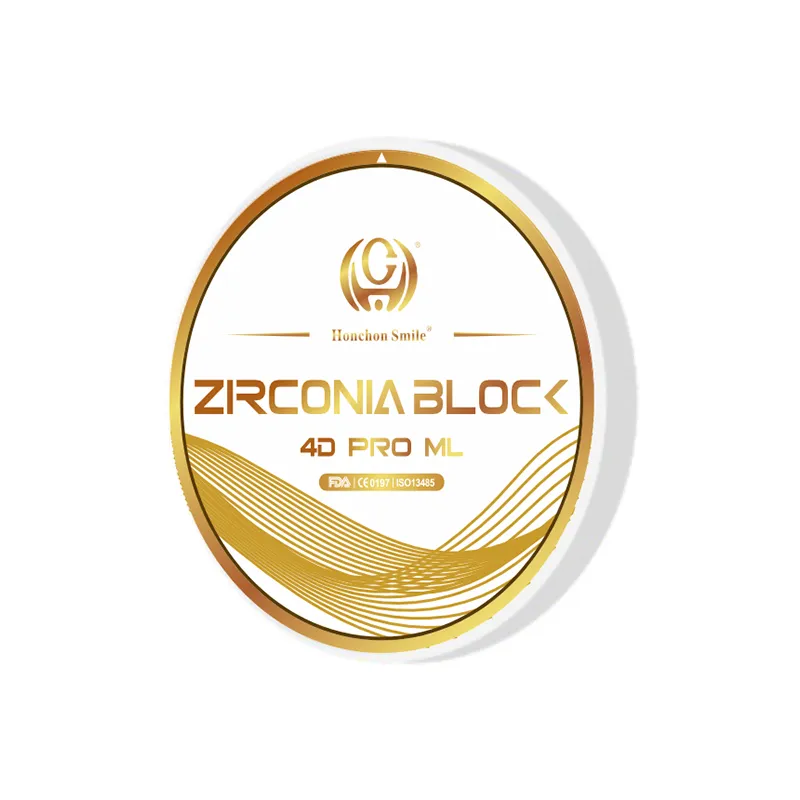
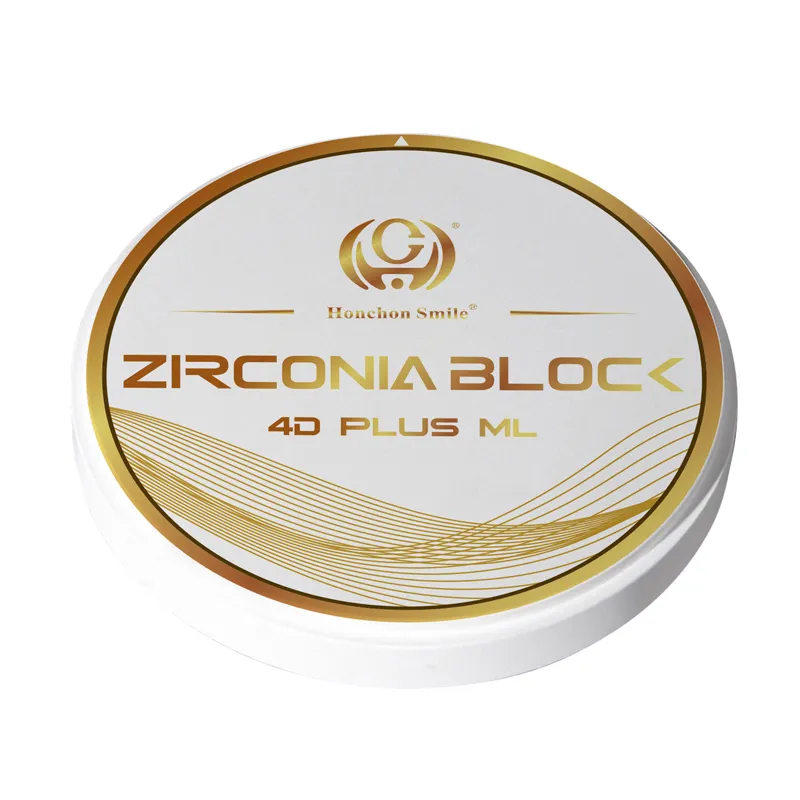
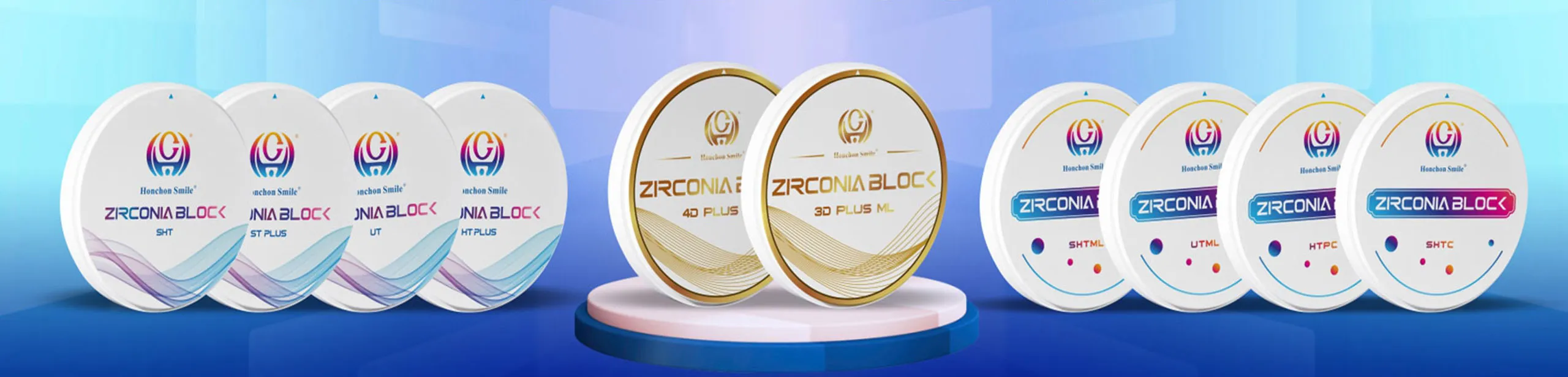
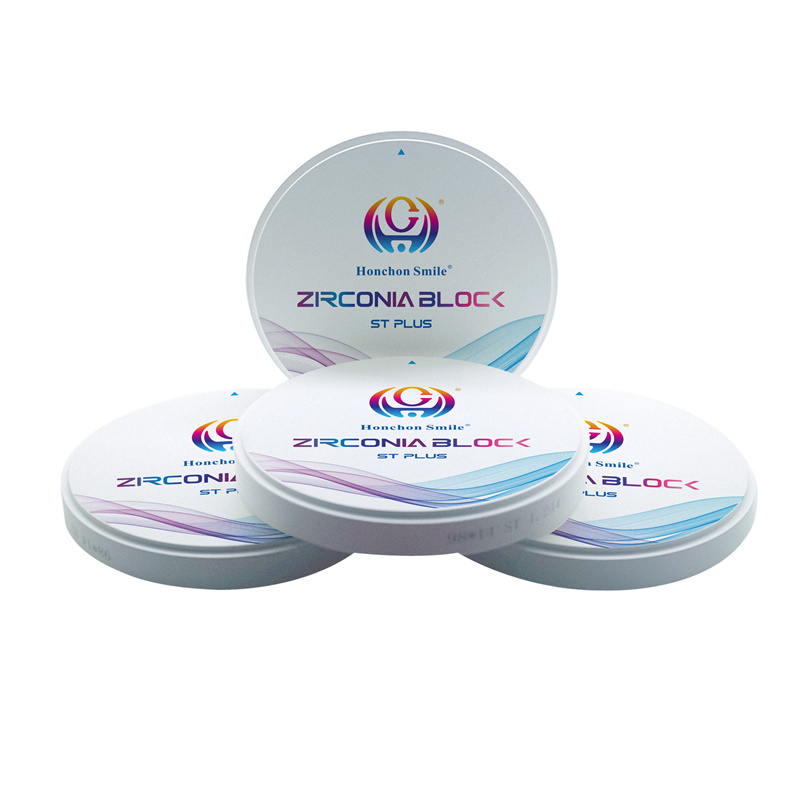
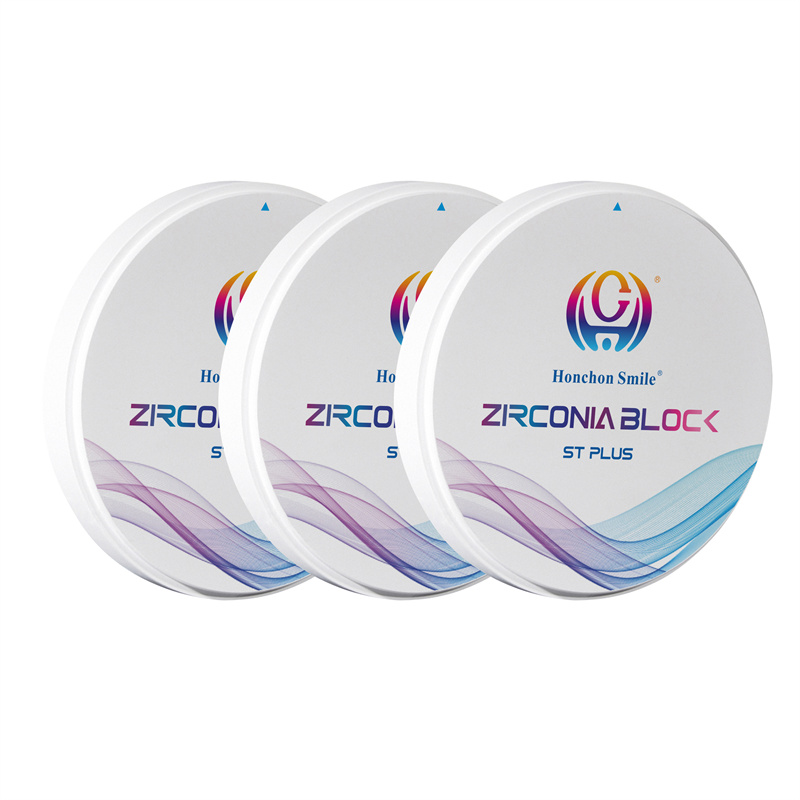
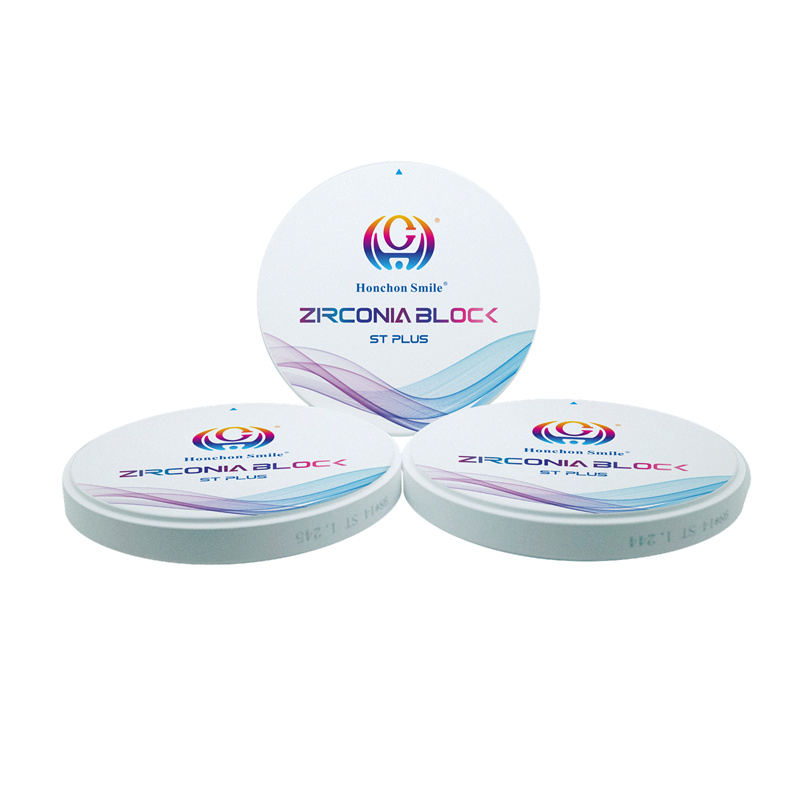
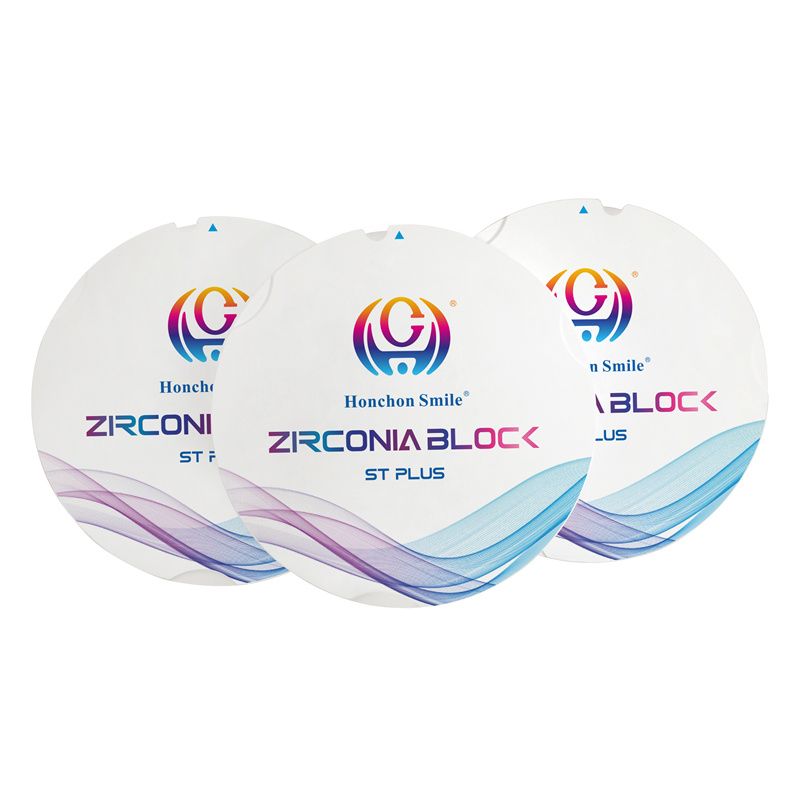
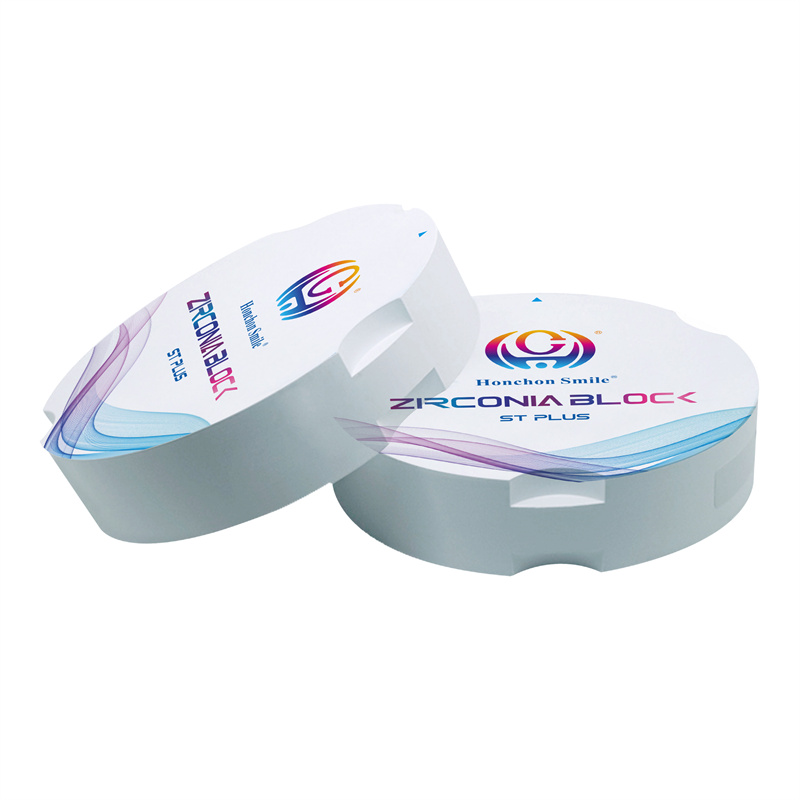
A ceramic zirconia block is a pre-sintered dental ceramic material made primarily from zirconium dioxide (ZrO₂). It is designed for CAD/CAM milling and later sintered at high temperature to achieve its final density, strength, and optical properties.
Depending on formulation and manufacturing process, zirconia blocks can be classified into:
White zirconia blocks
Pre-shaded zirconia blocks
Multilayer zirconia blocks
Each type serves different clinical and laboratory requirements.
Key Material Properties of Ceramic Zirconia Blocks
Mechanical Strength
Ceramic zirconia blocks are known for their high flexural strength, typically ranging from 900 MPa to 1200 MPa, depending on the grade. This makes them suitable for:
Posterior crowns
Long-span bridges
High-load occlusal areas
The transformation toughening mechanism of zirconia helps resist crack propagation during function.
Translucency and Aesthetics
Modern ceramic zirconia blocks are engineered to improve translucency while maintaining strength. Super translucent and ultra-translucent zirconia materials allow for:
Natural light transmission
Reduced opacity compared to traditional zirconia
Improved aesthetics for anterior restorations
White zirconia blocks can also be combined with coloring liquids to achieve customized shades.
Biocompatibility
Zirconia ceramics are metal-free and exhibit excellent biocompatibility. Ceramic zirconia blocks are:
Suitable for patients with metal allergies
Chemically stable in the oral environment
Widely accepted for long-term dental restorations
Types of Ceramic Zirconia Blocks
White Ceramic Zirconia Block
White zirconia blocks offer flexibility in shading and staining. They are commonly used in dental laboratories that prefer:
Manual or liquid shading
High consistency across different cases
Broad indication coverage
Pre-Shaded Ceramic Zirconia Block
Pre-shaded zirconia blocks are manufactured with integrated color pigments. Advantages include:
Reduced coloring steps
More consistent shade results
Improved production efficiency for labs
These blocks are typically available in VITA 16 shades.
Multilayer Ceramic Zirconia Block
Multilayer zirconia blocks feature gradual transitions in color, translucency, and strength from cervical to incisal areas. They are designed to:
Mimic natural tooth structure
Reduce manual layering work
Improve aesthetic outcomes for full-contour restorations
Indications for Ceramic Zirconia Blocks
Ceramic zirconia blocks are suitable for a wide range of restorations, including:
Inlay and onlay restorations
Partial crowns
Anterior crowns
Posterior crowns
Copings
Multi-unit bridges
Full-contour bridges (span depends on zirconia strength)
Material selection should be based on restoration location and functional load.
CAD/CAM Compatibility
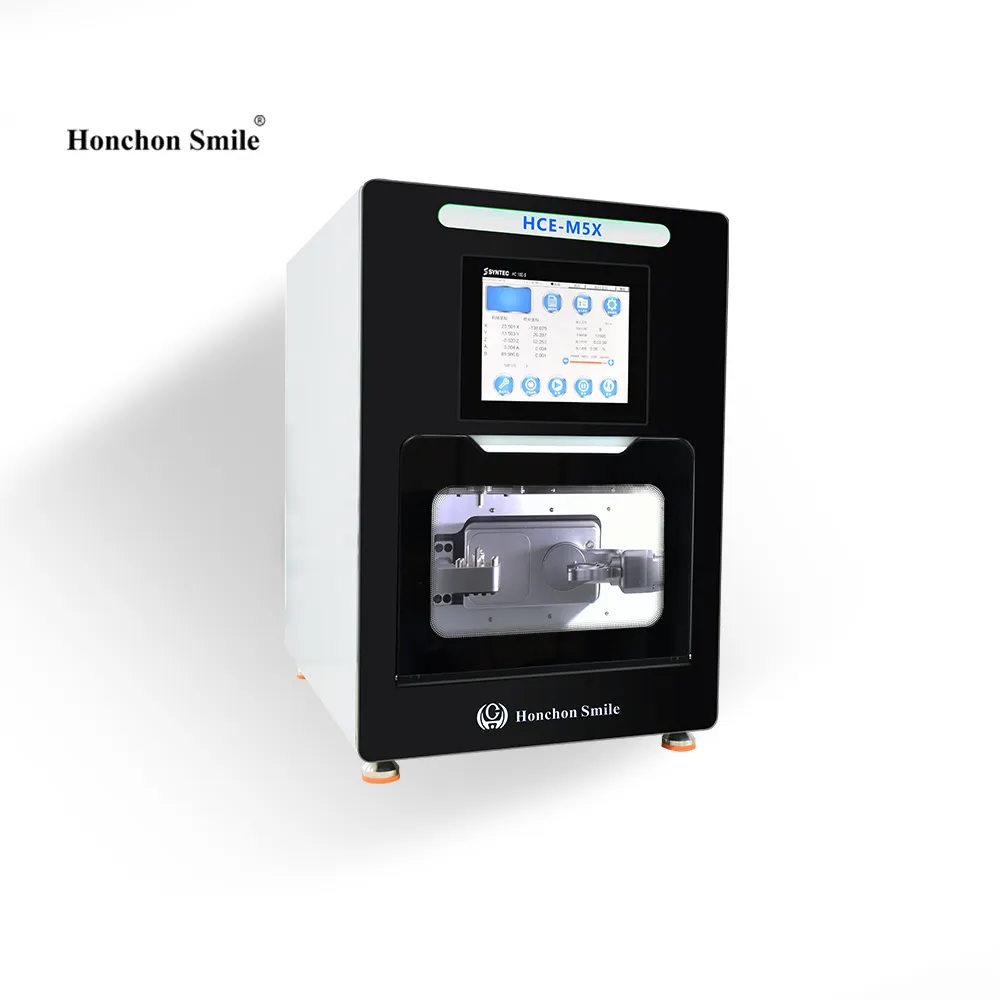
Most ceramic zirconia blocks are produced in standard sizes to ensure compatibility with mainstream milling systems, such as:
98 mm open systems
95 mm systems
AG-type systems
This allows dental laboratories to integrate zirconia materials into existing CAD/CAM workflows without additional equipment changes.
Sintering Process and Performance
After milling, ceramic zirconia restorations require sintering at high temperature, typically around 1450–1530°C. Proper sintering ensures:
Full densification
Stable shrinkage rate
Optimal mechanical and optical properties
Consistent sintering curves are essential for maintaining dimensional accuracy and marginal fit.
Advantages for Dental Laboratories
From a laboratory perspective, ceramic zirconia blocks offer several practical benefits:
Stable milling behavior with low tool wear
Predictable sintering results
Broad indication coverage with fewer material changes
Reduced remake rates when processing parameters are controlled
These factors help improve overall production efficiency.
Ceramic Zirconia Block vs Other Dental Ceramics
Compared with lithium disilicate and feldspathic ceramics, zirconia blocks provide:
Higher mechanical strength
Better suitability for posterior and long-span restorations
Greater fracture resistance under occlusal load
Each material has its indications, but zirconia remains a core material for structural restorations.
Conclusion
Ceramic zirconia blocks have become an essential material in modern dental CAD/CAM workflows. With their combination of strength, translucency, and biocompatibility, they support a wide range of clinical indications and laboratory production needs.
Selecting the appropriate zirconia type—white, pre-shaded, or multilayer—allows dental laboratories to balance aesthetics, efficiency, and mechanical performance in daily restorative work.
Cases & Feedback
.jpg)