CAD/CAM Technology in Modern Dentistry: Applications and Advantages
2025-11-18
Introduction
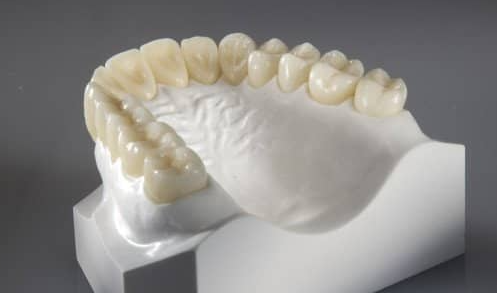
Computer-Aided Design (CAD) and Computer-Aided Manufacturing (CAM) have transformed dental restoration workflows. By integrating digital design with precision milling or printing, CAD/CAM systems allow dental professionals to produce crowns, bridges, inlays, and prostheses with high accuracy and reproducibility. This article explores the applications, benefits, and emerging trends of CAD/CAM technology in dentistry.
Overview of CAD/CAM in Dentistry
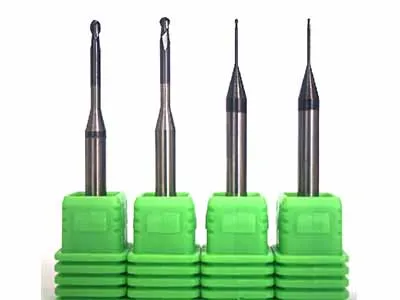
Originally developed for industrial manufacturing, CAD/CAM technology was introduced into dentistry in the 1980s. It digitizes the entire restoration process: intraoral or model scanning generates a precise 3D representation of the patient’s dentition, while CAM systems convert the digital design into a physical restoration using milling machines or 3D printers. This digital approach reduces manual errors and improves the consistency of restorations.
Types of Dental CAD/CAM Systems
1. Chairside CAD/CAM Systems
Functionality: Combines scanning, design, and milling in a single unit, enabling same-day restorations.
Examples: CEREC (Dentsply Sirona), Planmeca PlanMill.
Advantages: Reduces patient visits, shortens treatment time, and enhances patient comfort. Ideal for single crowns and small restorations.
2. Laboratory CAD/CAM Systems
Functionality: High-capacity milling systems used in dental labs for complex and large-volume restorations.
Examples: Roland DWX series, Amann Girrbach Ceramill.
Advantages: Supports intricate designs, multiple material types, and batch production. Allows dental technicians to fabricate precise crowns, bridges, and full-arch restorations.
Key Advantages of CAD/CAM Dentistry
Precision and Consistency
Digital design and automated milling minimize human error. Each restoration can be produced with consistent fit, occlusion, and surface quality, ensuring better clinical outcomes.Time Efficiency
Chairside systems enable single-visit restorations, while laboratory systems allow bulk production. Overall workflow efficiency is significantly improved compared to traditional methods.Material Versatility
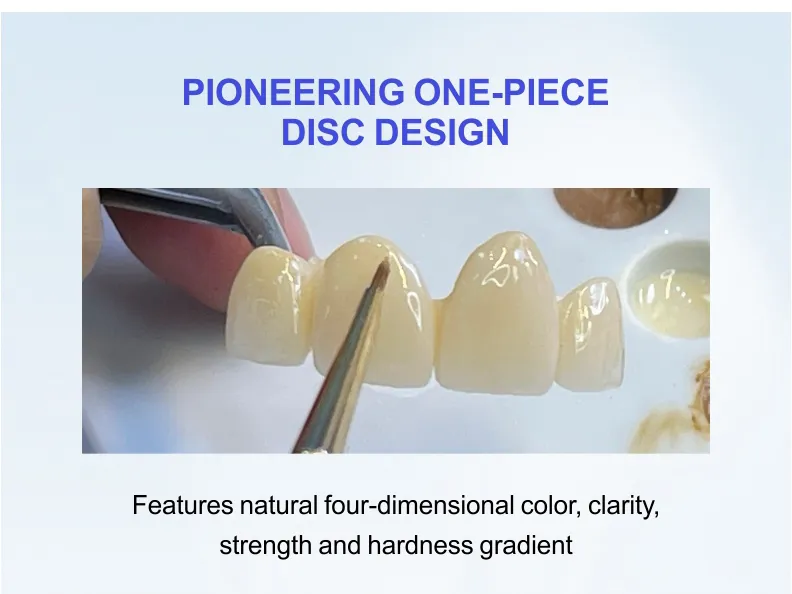
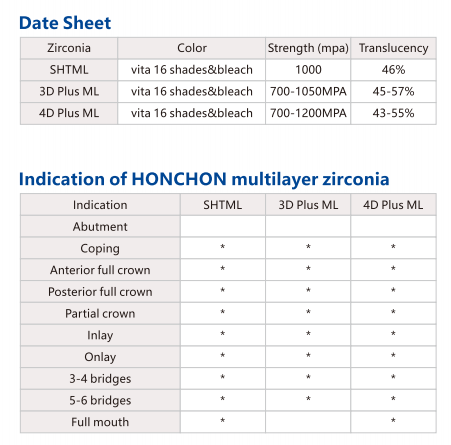
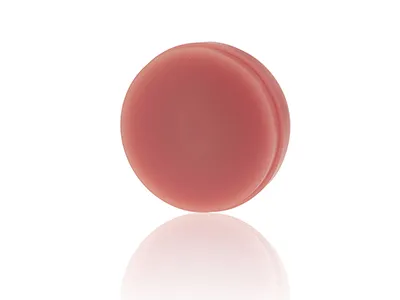
CAD/CAM systems can mill or print a wide range of materials, including zirconia, lithium disilicate, PMMA, wax, composite resins, and metal alloys. This flexibility allows personalized treatment planning and aesthetic optimization.Fully Digital Workflow
From scanning to design and fabrication, the digital process enhances accuracy, simplifies record-keeping, and facilitates communication between dentists and dental laboratories.
Clinical Applications
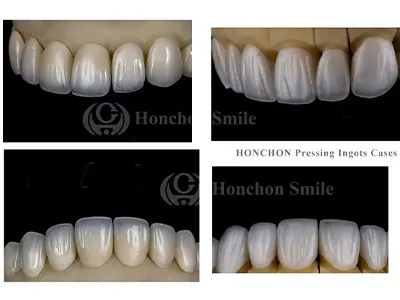
Single Crowns: Chairside CAD/CAM systems allow dentists to capture a digital impression, design the restoration, and mill the crown in a single appointment.
Multiple and Full-Arch Restorations: Laboratory systems handle complex full-mouth restorations, such as bridges or implant-supported prostheses, ensuring high precision and reproducibility.
Custom Implants and Surgical Guides: CAD/CAM technology supports the fabrication of patient-specific implants and guides, improving surgical accuracy and outcomes.
Emerging Trends in CAD/CAM Dentistry
Artificial Intelligence (AI) Integration
AI and machine learning are beginning to automate restoration design, optimize milling strategies, and predict material behavior for improved efficiency and accuracy.3D Printing Synergy
Additive manufacturing is increasingly combined with CAD/CAM systems to produce complex restorations, surgical guides, and removable prostheses with high precision.Cloud-Based Workflows
Cloud technology enables secure storage, remote access, and collaborative design review between dentists and laboratories, streamlining the digital workflow.
Conclusion
CAD/CAM technology has become a cornerstone of modern dental practice. By providing precision, efficiency, and versatility, it allows dental professionals to deliver high-quality restorations while reducing production time and error rates. With continuous advancements in AI, 3D printing, and digital collaboration, CAD/CAM systems will continue to expand the possibilities for dental restoration and patient care.