High-Performance Dental Milling Burs: Technical Guide for Labs
2025-11-18
Dental milling burs are essential tools in CAD/CAM dentistry, directly impacting the precision, efficiency, and longevity of dental restorations. Choosing the right burs is a technical decision that depends on material compatibility, cutting geometry, coating technology, and machine compatibility. In this guide, we explore the engineering principles behind high-performance dental milling burs and provide insights for dental labs seeking optimal results.
1. Material Compatibility
The choice of bur depends largely on the material being milled:
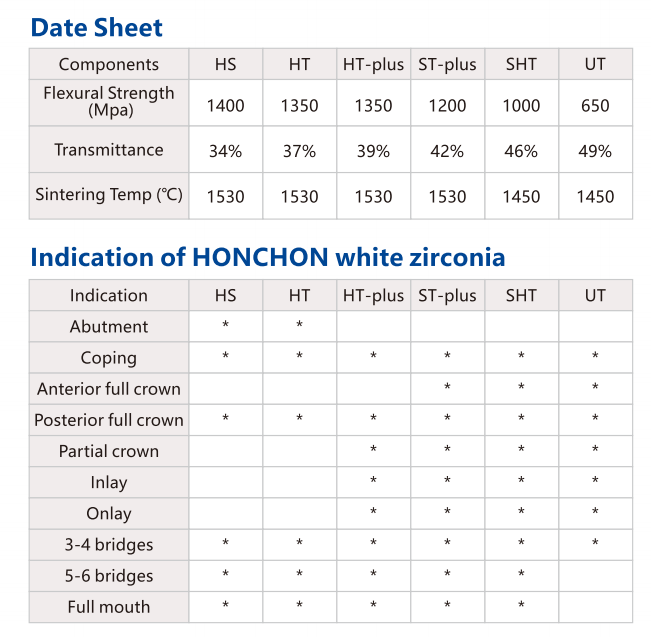
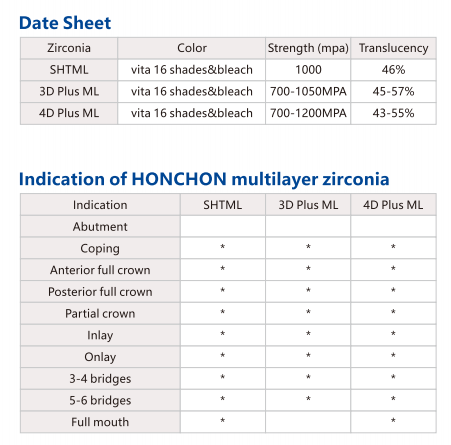
Zirconia (Y-TZP): Extremely hard and abrasive; requires diamond-coated or DLC/DC/RC coated carbide burs to minimize chipping and maintain accuracy.
Chrome-Cobalt (Cr-Co): High strength and thermal load; solid carbide burs with optimized flute geometry ensure smooth cuts and reduce vibration.
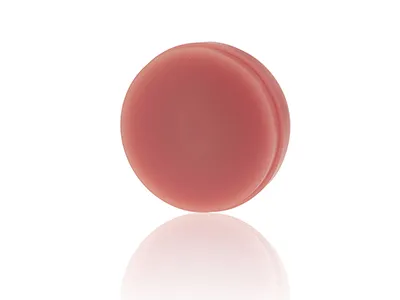
PMMA and Wax: Soft thermoplastics; uncoated carbide burs prevent melting or material buildup.
Glass-Ceramics / Lithium Disilicate: Fragile and prone to micro-cracks; diamond-coated burs are essential for controlled cutting and minimal chipping.
Proper matching of bur and material ensures smooth margins, accurate fits, and consistent restoration quality.
2. Shank Diameter and Machine Compatibility
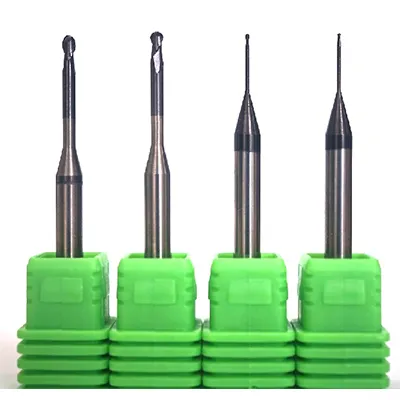
Shank diameter determines collet fit and rotational stability. Common sizes include Ø3 mm, Ø4 mm, and Ø6 mm. Using a bur that does not match the machine can cause:
Run-out and vibration
Premature tool wear
Dimensional inaccuracies
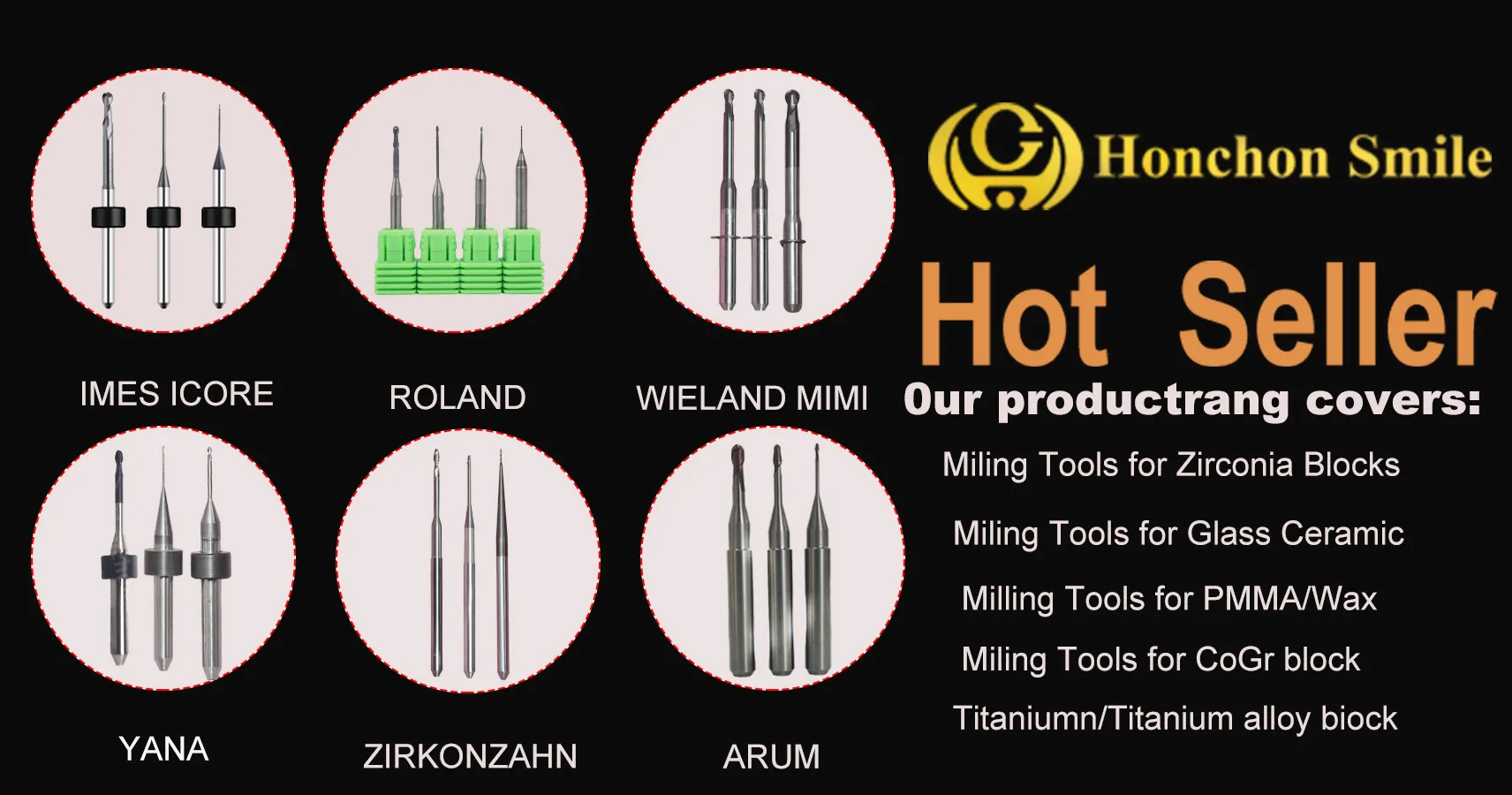
Always verify the machine specifications (Roland, VHF, Amann Girrbach, Zirkonzahn, open systems) before selecting burs.
3. Cutting Diameter and Flute Geometry
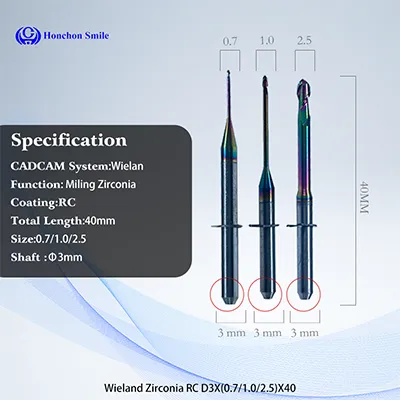
The cutting head diameter affects material removal rate and precision:
Large burs (2.0–2.5 mm): Efficient for roughing and bulk reduction
Medium burs (1.0 mm): Balanced for semi-finishing and general-purpose milling
Small burs (0.6 mm or less): High-precision work on fissures, embrasures, and detailed anatomy
Flute geometry also impacts performance:
Spiral flutes: Fast chip removal, smooth surface finish
Straight flutes: Rigid cutting, slower chip evacuation
Polished flutes: Reduce heat buildup on soft materials
Open flute design: Prevents chip clogging in zirconia
4. Carbide Quality and Coatings
High-quality burs are typically made from fine-grained tungsten carbide, providing:
High hardness and edge retention
Resistance to micro-fractures
Longer tool life
Coatings further enhance performance:
DLC: Excellent wear resistance for zirconia
RC/DC coatings: Balanced cost and durability
Diamond-coated: Required for glass-ceramics and lithium disilicate
Uncoated: Ideal for PMMA and wax
Engineering-grade coatings improve cutting stability and reduce surface roughness on restorations.
5. Tool Life and Cost Efficiency
Economical considerations should factor in:
Units milled per bur (e.g., 180–220 units for tungsten carbide burs)
Surface quality of restorations
Reduction of post-processing work
Prevention of remakes due to micro-chipping
A well-chosen bur reduces downtime, saves material, and ensures consistent restoration quality.
6. Compatibility Across Systems
Modern dental labs often operate multiple CAD/CAM machines. High-performance burs are designed to be compatible with:
Open systems
Roland / Amann Girrbach / Zirkonzahn / VHF / IMES
This flexibility allows labs to standardize burs across materials and machines, simplifying inventory and workflow.
Conclusion
Selecting the right dental milling burs is a technical process that integrates material science, tool geometry, coating technology, and machine compatibility. By understanding these engineering principles, dental labs can achieve:
Higher precision and surface quality
Increased tool life
Reduced production costs
Consistent, reliable restorations
At HONCHON, our dental milling burs are engineered with these principles in mind, offering DC, RC, and DLC coated carbide burs suitable for zirconia, metals, PMMA, wax, and glass-ceramics. Our products are compatible with a wide range of CAD/CAM systems and designed to maximize milling performance for any laboratory.